
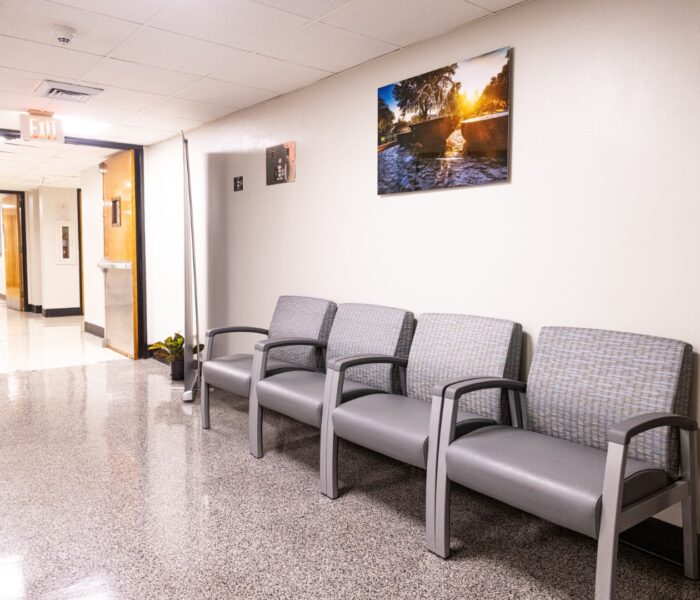
Across the hospital, being prepared is a team responsibility. Patients and families also play a role by understanding where and when to seek care, what information to bring, and how to act quickly without panic.
What preparedness means for patients
Preparedness starts with practical readiness: current medications, allergy history, key contacts, and a clear understanding of warning signs. This lets care teams respond quickly and effectively, which matters when time is critical.
Four simple steps for home readiness
- Keep a current medication list near the phone and in a secure digital location.
- Know 24/7 emergency contact numbers and nearest urgent care options.
- Track recurring symptoms and communicate changes during routine visits.
- Plan where to go before symptoms become severe.
Hospitals can prepare systems and staff; families can strengthen outcomes by making preparedness a shared habit.